From Associate to Consultant: What does the progress actually look like?
Moving from Associate to Consultant is about more than a new job title. While many day-to-day tasks remain familiar, the way you approach work, take ownership, and interact with clients begins to change.

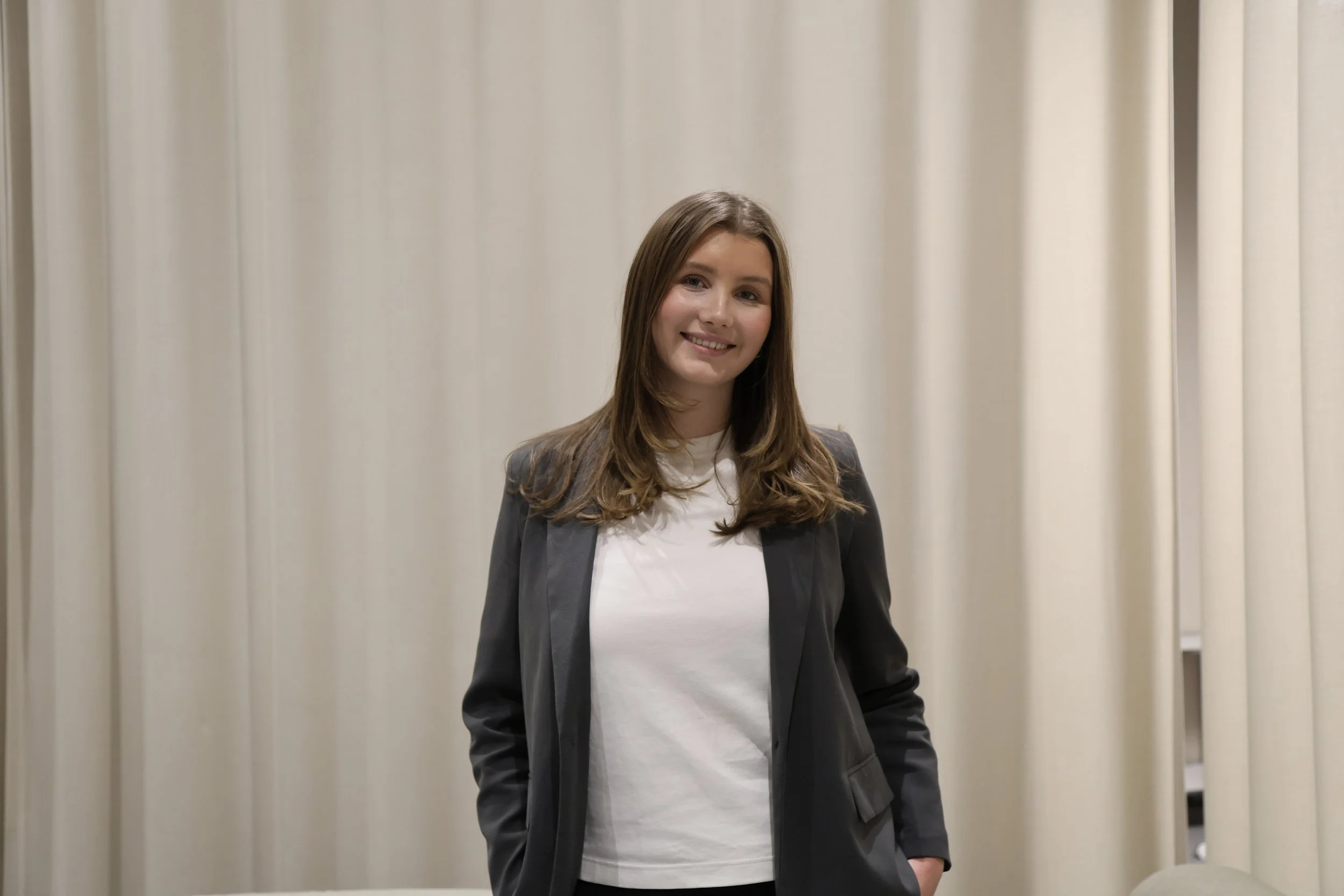
For Alli Rytsölä, a Consultant at Boston Consulting Group (BCG), this transition has meant taking ownership of larger parts of projects, working more independently with clients, and supporting junior colleagues.
Alli holds a Master’s in Finance from Aalto University. During her studies, she explored different career paths through internships in banking, investments, and consulting. After completing a Visiting Associate internship at BCG, she received a full-time offer and returned as an Associate following graduation.
Finding her way into consulting
Alli was initially drawn to consulting for the variety of work and the opportunity to solve diverse problems across industries.
“Consulting gives you the opportunity to explore different industries and projects, and discover what interests you most along the way.” - Alli Rytsölä
After returning to BCG as an Associate, Alli worked across different industries and business challenges. Over time, she developed an interest in Corporate Finance & Strategy. Today, she works mainly on corporate strategy and mergers and acquisitions projects, particularly with industrial companies, drawing on her background in finance.
One aspect Alli particularly appreciates about consulting is the opportunity to shape her own career path. At BCG, Associates can explore different projects and industries before developing a clearer idea of where they want to specialise as they progress in their careers. As their interests develop, consultants can express preferences for specific industries, projects, or even international opportunities. BCG’s staffing team takes these wishes into account when matching people with projects.
From Associate to Consultant: What Changes?
When Alli first joined BCG, her work focused mainly on specific analyses or smaller parts of a project. Her tasks included building Excel models, analysing data, and preparing PowerPoint presentations to communicate findings to clients.
These tasks remain part of her work today, but the perspective has changed.
“As an Associate, you focus more on a specific analysis. As a Consultant, you need to think further ahead and understand how all the different pieces fit together.” - Alli Rytsölä
In practice, this means taking ownership of larger parts of a project, planning the next steps, and bringing different findings together into a clear message for the client.
The change is also visible in client interactions. As a Consultant, Alli takes on a more independent role in leading meetings, presenting findings, and communicating with clients.
Another difference is her role within the team. Alli now supports newer Associates, helping them navigate unfamiliar tasks and sharing what she has learned along the way.
The transition, therefore, is not necessarily about doing completely different work. It is about taking more ownership, thinking beyond your own tasks, and becoming someone others can turn to for support.
Skills that develop with experience
For Alli, experience has changed how she approaches unfamiliar cases. Early in her career, each new project felt like starting from scratch. Today, she can recognise similarities between different cases, draw on previous experiences, and identify more quickly what matters most.
Another important lesson has been learning how to communicate effectively.
“No matter how good your analysis is, if you can't convince others of your findings, it might go to waste.” - Alli Rytsölä
Alli has learned that presenting an analysis is not solely about explaining everything you have done. When speaking to a busy senior colleague, for example, the challenge may be to communicate the most important takeaway in just a few minutes.
This is just as important when working with clients. Some prefer detailed numbers, while others are more interested in the bigger picture. One piece of advice that has stayed with Alli is to read the room and adapt the conversation to what the audience needs.
Confidence has also grown with experience. Although leading a major client workshop can still feel nerve-wracking, Alli has become more comfortable handling situations that once felt unfamiliar.
What students should know about consulting
One thing Alli believes students may not realise about consulting is how collaborative the work actually is. Instead of working independently on an analysis for days before presenting the results, project teams often brainstorm, exchange ideas, and solve problems together. In many projects, consultants also work closely with clients to develop solutions.
For students considering a career in consulting, Alli emphasises the importance of problem-solving, communication, curiosity, and a willingness to take initiative.
“You can have a lot of influence over your own career and consulting experience, but it takes initiative and the courage to speak up.” - Alli Rytsölä
Whether it means expressing interest in a particular project, reaching out to colleagues, or exploring opportunities abroad, Alli encourages students to make their interests known. Her advice is to stay curious, be open to new experiences, and remember that you don’t need to have your entire career figured out from the start.